
Planning a first floor master bedroom addition is one of the smartest ways to upgrade comfort, boost accessibility, and add value. This guide walks you through the best places to build, layout tips that make daily life easier, and the zoning details you need to know before you start. If you live in southeastern Wisconsin, High Quality Contracting can help plan, design, and build your new space with a process that keeps you informed and excited from start to finish.
Why a First Floor Master Bedroom Addition Makes Sense
A first floor primary suite gives you single level living without the need to sell your home. It can solve mobility challenges, create a private retreat, and remove the morning bottlenecks that come with one upstairs bathroom. It also makes multigenerational living easier and can attract more buyers when it is time to sell. A well designed master bedroom addition can give you more storage, a larger shower, and a calm place to recharge at the end of the day.
- Comfort now and later, with step free access and wider doors
- Privacy from kids’ rooms or guest bedrooms upstairs
- Flexible use as a nursery, office, or future caregiving suite
- Potential resale lift when paired with strong design and finishes
- Less stair use for laundry, getting ready, and nighttime routines
Start With Your Site and Home Layout
Before you choose a location for your master bedroom addition, study your lot, sun exposure, and traffic patterns inside the home. This early homework reveals where an addition will feel natural and where it may look forced.
Orientation and Sunlight
Sun can make or break a bedroom. South and east exposures give warm morning light and steady daytime brightness. West light can be harsh at sunset which may impact sleep unless you plan for shading. North can be calm and consistent, ideal if you prefer a darker room. In Wisconsin, winter light angles are low, so larger windows placed for privacy and insulation upgrades will keep the room cheerful without drafts.
Privacy and Views
Think about what you want to see when you wake up. A rear yard often offers the best privacy for a first floor suite. Side yards can work if you add landscaping or frosted glass in the bath. Avoid placing the bed wall against a noisy garage or a busy street if you have other options.
Access and Flow
Walk the route from the main entry or garage to the future suite. You should be able to reach it easily without winding through the entire house. Many homeowners like a short hall off the main living area that leads to the bedroom, closets, and bath. If you want a coffee station or a small laundry near the suite, consider proximity to plumbing and electrical.
Structure and Utilities
Where is your electrical panel, water service, furnace, and sewer line? Placing the master bedroom addition near existing infrastructure can lower costs. It is also wise to locate the addition where a foundation tie-in will be simpler which may be a rear or side connection rather than a corner that needs more structural work.
Best Places to Build on the First Floor
Rear Addition
Expanding into the backyard is the most popular choice for a first floor master suite. It usually provides privacy, easier window placement, and room for a small patio outside the bedroom.
- Pros: Secluded feel, better views, simpler traffic flow from living areas
- Cons: May reduce yard size, could impact deck or patio placement, may require relocating utilities or landscaping
- Best for: Ranch homes, two story colonials with central living rooms, homes with deep lots
Side Yard Expansion
When your lot is wider than it is deep, a side addition can be ideal. This option keeps most of the backyard intact and can simplify roof lines on many homes.
- Pros: Preserves backyard, can align with existing hallways, good for corner lots
- Cons: Must meet side setbacks, may need new driveway or walkway, privacy screening may be needed
- Best for: Ranch homes, split levels, and homes with generous side yards
Front Facing Addition
A front addition is less common but can work if your neighborhood has deeper front setbacks and consistent front expansions. Design is critical so the home looks balanced from the street.
- Pros: Can create a strong entry and porch update, keeps backyard untouched
- Cons: Stricter curb appeal expectations, more design review in some areas, may need extra sound control
- Best for: Large front yards, historic streets with permitted front expansions, homes that need a new facade
Garage Conversion or Bump Out
If you have a two or three car garage, converting part of it or bumping out behind it can be an efficient path to a master bedroom addition. Many homeowners keep one or two bays and convert the remaining space into a suite.
- Pros: Uses existing footprint, access to utilities can be close, often fastest route to a new suite
- Cons: Must insulate and raise floors, may need new parking plan, can require creative window placement
- Best for: Homes with extra garage space, shallow lots, owners seeking a budget friendly option
Courtyard or Infill Wing
Some homes have an L shaped layout that creates a small courtyard. In these cases you can infill the corner to form a master suite that connects two wings. This keeps the home compact and efficient.
- Pros: Strong privacy, limited exterior exposure to weather, easy access to living spaces
- Cons: Can reduce natural light to adjacent rooms unless you add skylights, roof complexity can increase
- Best for: Ranch homes and modern homes with L or U shapes
Interior Reconfiguration Without Expanding
Not every project needs a new foundation. You can reclaim underused rooms to form a first floor suite. Common strategies include combining a guest room and dining room, or reworking a den and a powder room to create a full bath and closet.
- Pros: Lower site costs, faster permits, minimal exterior changes
- Cons: Reduces other living spaces, may need structural changes to remove walls, plumbing lines may need to be moved
- Best for: Homes with formal rooms that sit empty or oversized living areas
Layout Essentials for a Comfortable Primary Suite
Once you choose a location, think through how you will use the space daily. A master bedroom addition should feel calm, practical, and tailored to your habits.
- Bedroom size: Many owners find 14 by 16 feet or 15 by 18 feet comfortable, with space for a king bed, nightstands, and a small seating area
- Closets: A walk in closet around 7 by 10 feet per person supports organized storage; add outlets for a steamer or vanity
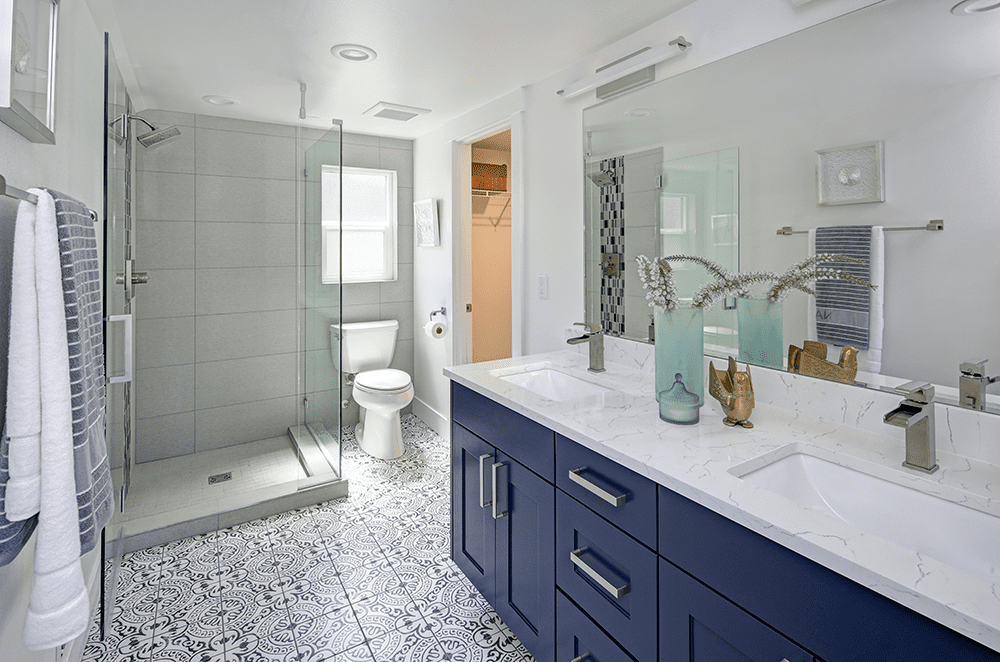
- Bathroom: Aim for a double vanity with at least 66 inches, a zero threshold shower, and a separate water closet if space allows
- Laundry: A stacked washer and dryer closet or a small laundry nearby can lighten daily chores
- Entry and storage: Include a quiet entry foyer with a bench, linen closet, and a spot for hampers
- Outdoor link: A glazed door to a small patio or garden nook adds retreat quality
Sound and Comfort Upgrades
Peace matters in a bedroom. Add insulation to interior walls, use soft close bath hardware, and place mechanicals away from the bed wall. Solid core doors, quality windows, and a dedicated HVAC zone improve comfort through Wisconsin winters and humid summers.
Lighting and Electrical Planning
Layer your lighting. Use dimmable overhead lights, bedside sconces, and soft night lighting in the bath. Plan outlets for phone chargers, a TV, a reading chair, and a vanity mirror. If you like blackout sleep, choose a window plan that supports shades without blocking heat registers.
Aging in Place Features
Design small details now to save headaches later. Install a curb free shower with a bench, set blocking for future grab bars, use lever handles, widen doors to 36 inches, and keep thresholds flat from hall to bedroom to bath. A single handle thermostatic shower valve keeps temperatures steady, which is safer for all ages.
Zoning, Codes, and Permits in Southeastern Wisconsin
Every city or village sets rules for how far you can build from your lot lines and how large your home can be. In southeastern Wisconsin, these requirements can vary from one block to the next. Before you commit to a design, review local zoning and building codes or work with a contractor who does this every day.
- Setbacks: Front, side, and rear yard setbacks control where an addition can sit. Corner lots often have special side street setbacks
- Lot coverage and floor area: Many communities limit building footprint and total floor area. Impervious surface caps can affect patios and driveways
- Height and roof pitch: Even a single story addition may have maximum height rules or eave limits
- Utilities and easements: Do not build over utility easements, septic fields, or drainage paths
- Energy and structure: Wisconsin Uniform Dwelling Code requires specific insulation values, window performance, and structural connections for snow and wind
- Safety: Bedrooms need egress compliant windows or doors, smoke and carbon monoxide alarms, and proper ventilation
- Shoreland or historic districts: Extra approvals may apply near lakes, rivers, or in designated historic areas
High Quality Contracting handles permits and inspections for you. Our team coordinates with your municipality in Milwaukee, Waukesha, Racine, Kenosha, or Ozaukee counties to keep your project on track and code compliant.
Budget and Timeline Expectations
Costs depend on size, finishes, site work, and whether you expand the footprint. A garage conversion with modest finishes can be more budget friendly than a new rear wing with a custom bath. In southeastern Wisconsin, many master bedroom addition projects fall into a broad range. Expect higher costs for complex roofs, extensive foundation work, custom tile, and high performance windows. Use these drivers to shape a realistic plan.
- Size and complexity of the footprint and roof
- Foundation needs, such as full basement, crawlspace, or slab
- Plumbing distance to existing lines and bath features like a soaking tub
- Windows and doors, especially large sliders or corner glass
- Interior finishes, including custom cabinetry and tile
- Mechanical upgrades, such as HVAC zoning or electrical service capacity
- Site grading, drainage improvements, and landscaping
A typical timeline includes planning and design, permitting, ordering materials, and construction. Many projects run three to six months from permit to punch list, depending on scope and season. Winter builds are common in Wisconsin with the right planning. High Quality Contracting sequences work to reduce downtime and maintains a clean, safe job site while you live at home.
Real World Scenarios and Smart Placements
Ranch Home on a Suburban Lot
Ranch homes often have the easiest path to a first floor suite. A rear addition off the living room or kitchen wing delivers privacy and a strong indoor outdoor connection. Use a short hall to separate the suite from the main living areas. If the basement stairs run along that wall, the addition can share utilities without long runs.
Two Story Colonial
With many colonials, bedrooms sit upstairs and formal rooms line the first floor. A side yard expansion near a family room can form a private hall to a new suite. Consider removing a little used formal dining area to create the hall plus a powder room that converts to a full bath. This keeps the addition compact and elegant from the street.
Split Level or Tri Level
Splits can feel tricky due to half flights of stairs. A well placed master bedroom addition on the lowest living level, extended into the rear yard, can avoid extra steps. Another option is a garage conversion with a raised insulated floor that ties the suite to the main entry level.
Lake or Wooded Lot
When you have a view, maximize it. Place the master bedroom addition to frame the best outlook while obeying shoreland rules. Set the bed wall away from traffic, add larger triple pane windows for comfort, and plan a small private patio for morning coffee.
How High Quality Contracting Helps
High Quality Contracting, Inc. is a licensed and insured general contractor based in Muskego with more than 25 years of remodeling experience. Our in house carpenters and design support team handle projects across southeastern Wisconsin, including Milwaukee, Waukesha, Racine, Kenosha, and Ozaukee counties. We are accredited with an A+ rating by the Wisconsin BBB, a proud NARI member, and have earned Angi Super Service Awards for customer satisfaction. Homeowners trust our craftsmanship, clear communication, and respectful job sites.
- Discovery call and site visit to discuss goals, style, and budget
- Design first planning with floor plans, selections, and a detailed proposal
- Permit management and code coordination with your municipality
- Dedicated project lead and skilled carpenters on site
- Quality control walk through and long term support
We also offer kitchen and bathroom remodeling, basement finishing, exterior updates, decks, windows, doors, roofing, and custom cabinetry. That means your master bedroom addition will integrate seamlessly with the rest of your home. Call High Quality Contracting at 414-405-7542 or email Nick@highqualitycontractinginc.com. Hours are Monday to Friday 7 AM to 6 PM and Saturday 7 AM to 3 PM.
Frequently Asked Questions About a Master Bedroom Addition
How big should a first floor master suite be?
Most couples enjoy a bedroom around 200 to 270 square feet, a walk in closet for each person or one larger shared closet, and a bathroom with a double vanity and a roomy shower. If space is tight, a 12 by 14 bedroom with a smart closet system and a 6 by 10 bath can still feel great.
Will I need a new foundation?
If you expand the footprint, yes. You can choose a full basement, crawlspace, or slab depending on your lot and goals. A garage conversion or interior reconfiguration avoids new foundation work.
Can we live at home during construction?
Most families can stay, especially with a rear or side addition. High Quality Contracting isolates work areas, keeps paths clean, and schedules noisy tasks to minimize disruption. For short periods during demo or tie in, you may choose to be away for comfort.
What about heating and cooling?
Many master bedroom addition projects benefit from a dedicated HVAC zone. This gives better temperature control without overworking your existing system. In some cases, a high efficiency ducted or ductless unit serves the suite while the main system handles the rest of the home.
Does a first floor suite improve resale?
Buyers often value a main level primary suite, especially in Wisconsin where aging in place is a priority. Resale depends on design quality, curb appeal, and how well the addition matches the home. Thoughtful finishes and a cohesive exterior usually pay off.
How long does it take?
From design to final walkthrough, many projects take four to eight months depending on complexity, permits, and weather. Construction alone can take eight to sixteen weeks on typical master bedroom addition projects.
Is winter construction possible?
Yes. With proper planning, ground protection, insulated enclosures, and scheduling, winter builds move forward. Lead times for windows and doors are key, so early ordering helps keep your timeline steady.
Next Steps
Start by deciding how you want your new suite to feel. Walk your lot, note the best light and quiet spots, and think through your daily routine. Choose a location that supports privacy, good flow, and efficient utilities. Then partner with a contractor who can balance design and construction from day one. High Quality Contracting brings proven planning, skilled carpenters, and a client first process to every master bedroom addition. If you are ready to explore a first floor master suite addition in Muskego, Milwaukee, New Berlin, Franklin, Hartland, or nearby, call 414-405-7542 or email Nick@highqualitycontractinginc.com to schedule your consultation. We would be honored to help you design and build a comfortable, beautiful space that works for you now and for years to come.