
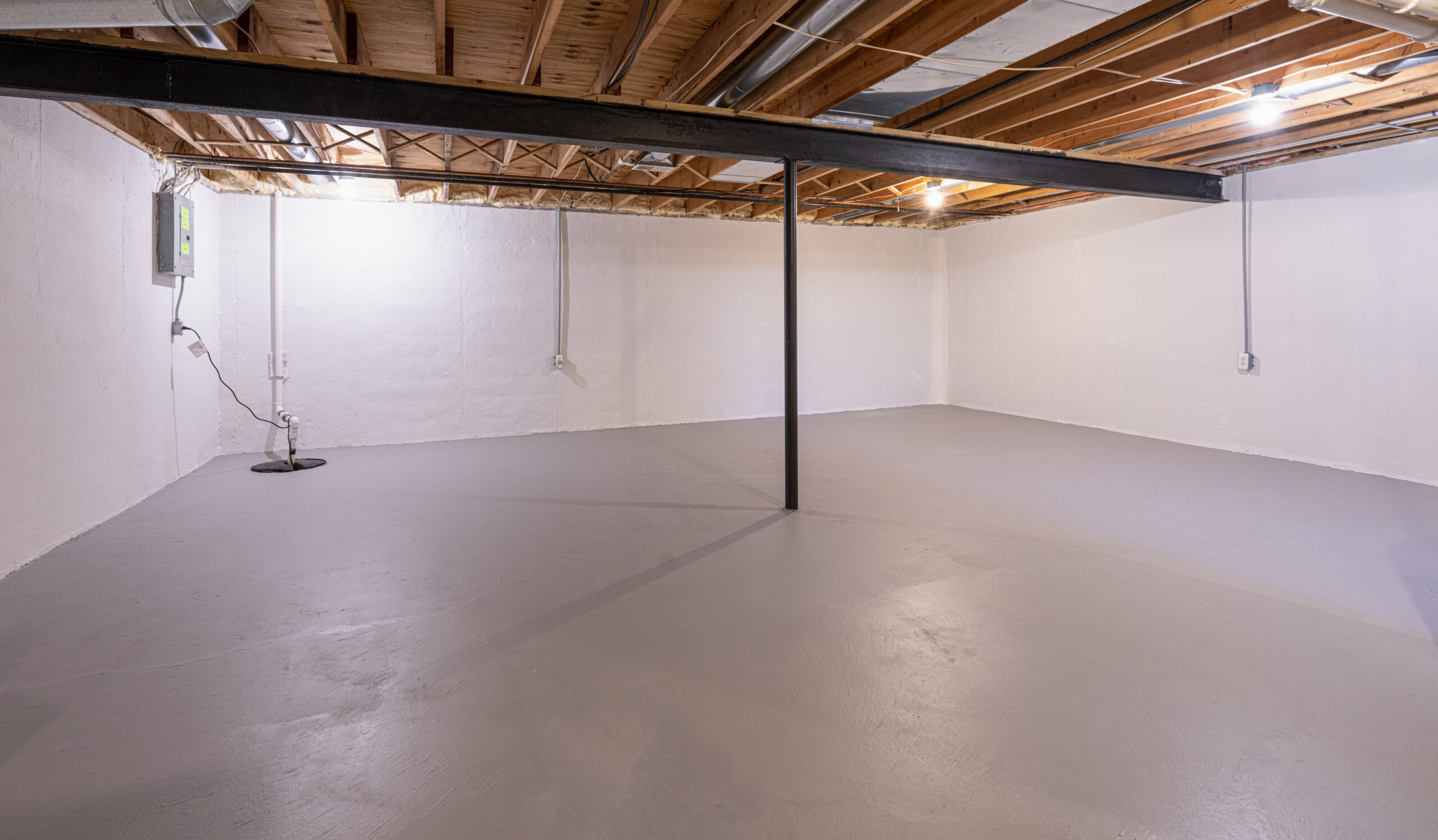
Short answer: yes. With smart planning, quality materials, and a skilled team, you can take a dated 90s basement and create a refined luxury suite that adds value and livable space. This guide shows how luxury basement finishing turns low ceilings, paneled walls, and fluorescent lights into a spa-level retreat, entertainment space, guest suite, or income-friendly in-law apartment. Luxury basement finishing: see how a dated 90s basement becomes a stunning luxury suite. Explore costs, design tips, and features, and start your transformation today with High Quality Contracting in southeastern Wisconsin.
What Makes a Basement a True Luxury Suite?
Luxury is not just marble and mood lighting. A luxury suite blends comfort, function, and beauty so the space feels like an extension of the main level. The best projects solve old basement pain points like dampness, noise, and poor lighting, then add style and standout features.
- Private bedroom with egress window and walk-in closet
- Spa bathroom with a walk-in shower or soaking tub
- Wet bar or full kitchenette with quality cabinetry
- Home theater or media lounge with acoustic upgrades
- Fitness room, sauna, or steam shower for wellness
- Wine room or humidor with proper ventilation
- Office or study with built-in storage
- Separate entrance or mudroom zone where possible
- Smart lighting, climate zoning, and water leak detection
- High-end finishes that can handle basement conditions
- Radiant heated floors for year-round comfort
Can a 90s Basement Be Transformed Into a Luxury Suite?
Absolutely. Many 90s basements in southeastern Wisconsin were built as storage or basic rec rooms. They often have the right bones, like open spans and decent ceiling heights. The key is to correct the dated elements, address moisture and code, then layer in comfort and style. High Quality Contracting brings design-first planning and a skilled in-house team to guide you from concept through completion.
Common 90s Basement Quirks to Overcome
- Drop ceilings with buzzing fluorescent lights
- Small slider windows and limited natural light
- Brown or faux wood paneling on walls
- Thin carpet over cold concrete
- Exposed ductwork and structural columns
- Minimal outlets and few data lines
- Poor sound control under the main floor
- Under-insulated rim joists and cold drafts
- Sump pumps and utility areas standing out
- Random closets and choppy room layouts
First Steps: Assessment and Planning
- Schedule a site visit to measure, photograph, and discuss goals
- Review local codes and permit needs for your city and county
- Check moisture, drainage, and test for radon if needed
- Set a realistic budget range with must-haves and nice-to-haves
- Create a concept plan with zones for living, sleeping, and bathing
- Select materials suited for basements, not just for looks
- Build a schedule that accounts for lead times and inspections
High Quality Contracting structures projects around a clear design and scope before work begins. That prevents surprises and keeps the job moving smoothly once permits are approved.
Cost of Luxury Basement Finishing in Southeastern Wisconsin
Budgets vary based on size, features, and site conditions. In southeastern Wisconsin, luxury basement finishing often ranges from about 120 to 250 dollars per square foot for a full suite with high-end finishes. That range depends on factors like structural changes, plumbing runs, egress window cuts, radiant heat, custom cabinets, and specialty rooms like a sauna or theater.
- Size and layout complexity
- Need for egress windows or exterior stairs
- Bathroom or kitchen additions with new plumbing
- Soundproofing and ceiling work around ductwork
- Custom built-ins, cabinetry, and millwork
- Premium flooring and stone or quartz surfaces
- Technology and automation packages
- Moisture control, insulation, and spray foam
Sample Budget Scenarios
- Upscale lounge and office, about 700 square feet: roughly 85,000 to 130,000 dollars with a wet bar, media wall, and upgraded lighting
- Guest suite with bedroom and spa bath, about 900 square feet: roughly 140,000 to 230,000 dollars including egress, radiant heat, and custom vanity
- Full luxury suite with kitchenette, theater, sauna, and gym, about 1,100 square feet: roughly 220,000 to 350,000 dollars with advanced soundproofing and premium finishes
These are planning ranges. Your home’s layout, material choices, and local inspection requirements can shift numbers up or down. High Quality Contracting provides detailed proposals and line items so you can tailor the project to your priorities.
Design Strategies That Turn Dated Into Stunning
Plan a Thoughtful Layout
- Map clear zones for living, sleeping, bathing, and storage
- Place bedrooms against exterior walls to allow for egress windows
- Use an L-shaped or peninsula bar to anchor an entertainment zone
- Hide mechanicals with a well-designed utility closet and sound control
- Keep hallways wide for a more open, main-floor feel
Elevate Natural and Artificial Light
- Cut in larger egress or daylight windows where feasible
- Choose reflective well liners to boost sunlight
- Layer lighting with cans, sconces, and under-cabinet strips
- Use a drywall ceiling with soffits to hide ductwork and add indirect light
- Pick light, warm paint tones to fight shadows
Prioritize Moisture Management and Comfort
- Grade soil away from the foundation and check downspouts
- Add vapor barriers and capillary breaks where needed
- Insulate rim joists with spray foam to stop drafts
- Use insulated subfloor panels to reduce chill and improve comfort
- Install radiant floor heat in baths and living areas for year-round warmth
- Consider a dedicated HVAC zone with a smart thermostat
- Add a quiet dehumidifier onto the HVAC for steady humidity control
Soundproofing and Privacy Matter
- Add acoustic insulation in ceilings and shared walls
- Use resilient channels and double drywall in theater zones
- Choose solid core doors to block noise
- Place laundry and mechanicals away from bedrooms
- Plan rug placement and soft surfaces to absorb sound
Finishes That Look Luxe and Perform
- Luxury vinyl plank or engineered wood that tolerates seasonal changes
- Porcelain or large-format tile for baths and entry areas
- Quartz or solid surface counters for easy care
- Inset or full-overlay cabinets with durable finishes
- Custom millwork, built-ins, and a statement fireplace
- High-efficiency fixtures in brushed nickel, black, or brass
- Slab shower walls or oversized tile for a sleek, low-maintenance look
Smart Tech and Wellness Upgrades
- Scene-based lighting control and dimmers
- Leak sensors near the water heater and under sinks
- Smart thermostat with zoning for the basement
- HEPA filtration and fresh air exchange where appropriate
- Steam shower or compact sauna for a spa vibe
- Air quality monitoring for peace of mind
Permits, Codes, and Safety in Wisconsin
Luxury basement finishing must meet local code. In much of southeastern Wisconsin, you will need permits for framing, electrical, plumbing, HVAC, and egress changes. A bedroom requires an egress window that meets size and sill height rules. Smoke and carbon monoxide detectors must be properly linked. GFCI and AFCI protection is required in the right locations. Minimum finished ceiling heights usually must be near 7 feet with exceptions for beams and duct runs. Bathrooms need proper ventilation and water-resistant surfaces. Energy code applies to insulation values at exterior walls and rim joists. A radon test is a smart step before closing everything in.
High Quality Contracting manages permits, coordinates inspections, and builds to the standards of cities and counties across Milwaukee, Waukesha, Racine, Kenosha, and Ozaukee. This keeps your project compliant and on schedule.
Expected Timeline
- Design and selections: 2 to 6 weeks
- Permitting and procurement: 2 to 4 weeks
- Demolition and prep: about 1 week
- Framing, plumbing, electrical, HVAC rough-ins: 2 to 3 weeks
- Inspections: about 1 week total, often split
- Drywall, prime, and first paint: 2 weeks
- Flooring, trim, doors, and cabinets: 2 to 4 weeks
- Tile, fixtures, and specialty features: 1 to 3 weeks
- Final paint, punch list, and cleaning: about 1 week
Most luxury basement finishing projects run 10 to 16 weeks after permits, depending on scope and custom items. High Quality Contracting will communicate timelines and adjust for lead times on cabinets, stone, and special orders.
A 90s Basement, Reimagined: A Before and After Playbook
Picture a 1998 basement in New Berlin with a low tile ceiling, pine paneling, and a foosball table. The homeowners want a guest-ready luxury suite for visiting family. During planning, High Quality Contracting lays out a private bedroom with an egress window, a spa bath with a walk-in shower, a lounge with a linear fireplace, and a compact kitchenette. The utility room gets a sound-insulated enclosure and new lighting. Moisture checks pass, but rim joist spray foam and insulated subfloor panels are added for comfort.
Construction begins with clean demo and careful dust control. Framing creates a generous entry hall so the suite feels like a real apartment. Electrical adds layers of light, from recessed fixtures to toe-kick LEDs at the bar. The team routes ducts into a soffit that becomes a feature with cove lighting. In the bath, a curbless shower with slab walls and a heated floor brings spa-level comfort. The kitchenette gets full-overlay cabinets, quartz counters, and a drawer dishwasher. Sound control includes resilient channels under the main-floor joists and solid core doors on the bedroom and bath.
Finishes do the heavy lifting. Warm white walls and light oak-look LVP bounce light around. A white-oak mantel and fluted millwork frame the fireplace. Brushed brass accents repeat in the bath and bar. The result is a space where guests forget they are below grade. This is the power of thoughtful luxury basement finishing paired with professional craftsmanship.
Avoid These Common Pitfalls
- Skipping moisture and radon tests before closing in walls
- Under-lighting long rooms with only a few ceiling cans
- Choosing main-floor flooring that cannot handle basements
- Creating tight bathrooms to save a few inches
- Ignoring sound control under kids’ bedrooms or the kitchen
- Using hollow core doors that leak noise
- Forgetting storage for linens, gear, and seasonal items
- Overloading layouts with level changes and steps
- Not planning data lines, Wi-Fi, and future home tech
- Hiring unlicensed labor and risking failed inspections
Work with a contractor who will flag issues early and offer proven solutions. High Quality Contracting brings 25 years of remodeling experience to protect your budget and deliver a refined result.
Why Homeowners Choose High Quality Contracting
- 25 plus years serving southeastern Wisconsin from Muskego
- A plus rating and accreditation with the Wisconsin BBB
- NARI member with Angi Super Service Awards
- In-house carpenters, project managers, and design support
- Design-first planning with detailed proposals and selections
- Clean, respectful job sites and steady communication
- Local code knowledge across Milwaukee, Waukesha, Racine, Kenosha, and Ozaukee
- Long-term client relationships built on trust and results
High Quality Contracting also handles kitchens, bathrooms, additions, exteriors, custom cabinetry, flooring, fireplaces, and more. If your luxury basement finishing ties into a main-floor remodel or new deck, they can plan the work as one seamless project.
Frequently Asked Questions
Do I need an egress window for a basement bedroom?
Yes. A legal bedroom needs an egress window that meets size and height requirements. This protects safety and resale value. High Quality Contracting will size and install the right unit, cut the opening, and finish the well for light and drainage.
Can we add a bathroom or kitchenette in an existing basement?
Usually yes. It may require breaking concrete to add drains and vents or using a macerating system in certain locations. Proper venting, GFCI outlets, and a code-compliant layout are a must. The team will inspect your plumbing runs and propose the best path.
What ceiling height is needed?
Most codes target around 7 feet of finished ceiling height with allowances under beams and ducts. A strategic soffit can hide utilities while keeping good height in the main areas. During design, High Quality Contracting maps where to gain precious inches.
How do you deal with columns, beams, and ductwork?
Integrate them. Wrap columns with millwork and add a ledge for design interest. Box beams or soffits can become lighting features. Reroute or flatten duct runs when practical. The goal is a finished ceiling that looks intentional and clean.
Will it feel like part of the main house?
Yes, with the right details. Use consistent color stories, quality doors and trim, and layered lighting. Add sound control and a dedicated HVAC zone. When done right, guests will not think basement. They will think private suite.
Start Your Luxury Basement Transformation
Turning a 90s basement into a luxury suite is more than a facelift. It is about comfort, safety, smart planning, and standout design. From moisture control and egress to spa baths and custom bars, High Quality Contracting will guide you every step. Call 414-405-7542, email Nick@highqualitycontractinginc.com, or request a consultation to begin. Hours are Mon to Fri 7 AM to 6 PM and Saturday 7 AM to 3 PM. Let’s design a lower level you love to live in and proud to show off.