
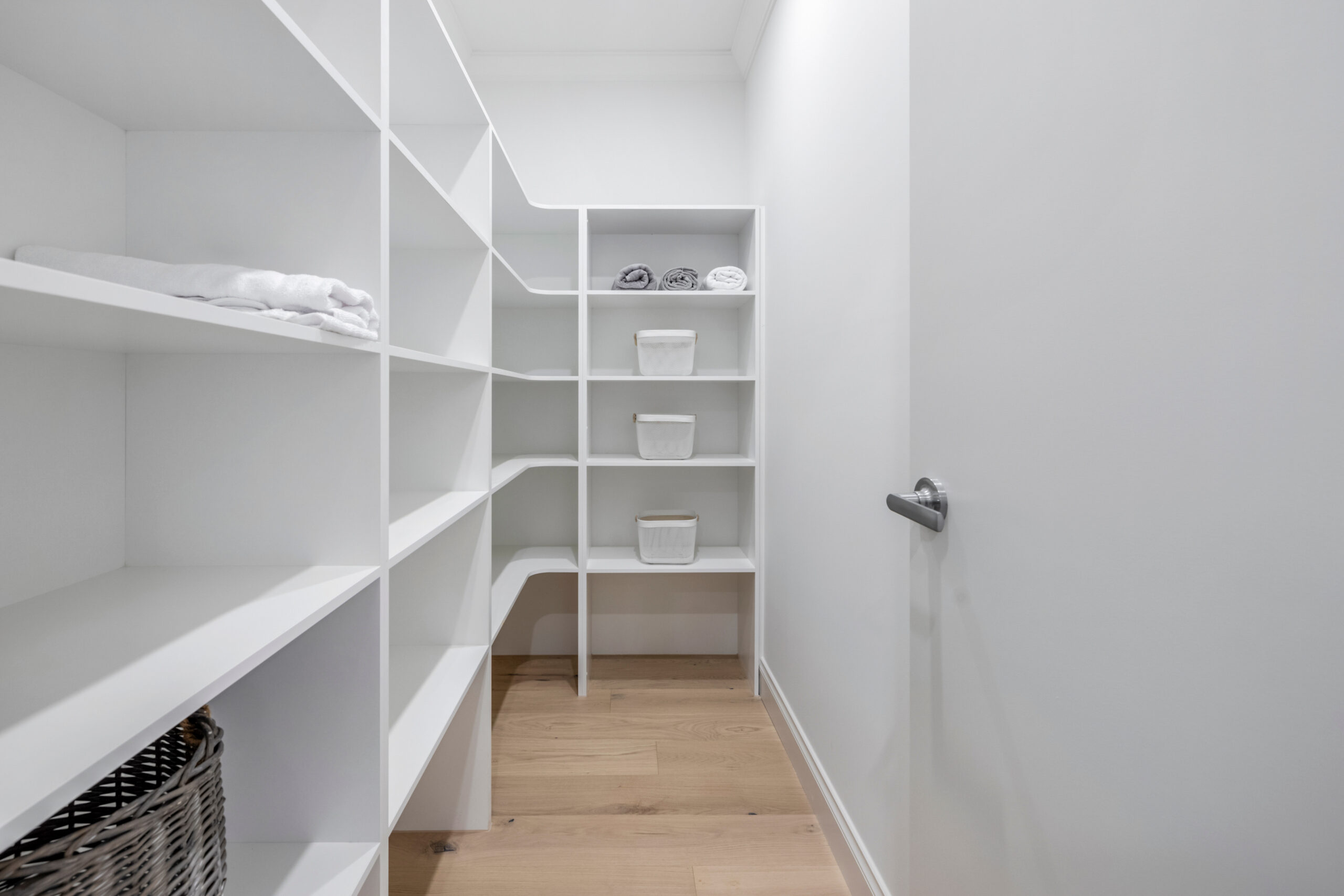
If you live in an older home, you know the charm is real and the storage is not. A walk-in pantry can fix that problem without losing the character you love. This guide shares kitchen remodeling contractor tips for fitting a walk-in pantry into an older kitchen. You will see smart layouts, budget ideas, and pro advice so you can plan with confidence and get results that look right at home.
Why Older Kitchens Struggle With Pantry Space
Many older kitchens were built when small appliances and bulk shopping did not exist. Walls are solid, rooms are compact, and closets are rare. You may have a deep corner you cannot reach, a short run of cabinets, or a tight hallway nearby. The good news is a skilled kitchen remodeling contractor can often reclaim inches you already own and turn them into a hard working walk-in pantry. The secret is finding the right spot and designing storage that fits your routine.
Start With a Smart Plan
Measure What You Have
Begin with a careful sketch of your kitchen and the rooms that touch it. Note door swings, windows, radiators, stairs, and any chimney chases or bump outs. Measure floor to ceiling height and the depth of walls. Many walk-in pantries fit in a footprint as modest as 36 by 48 inches. Some even work at 30 by 48 inches with the right door and shelf plan. Precise measurements help you see options that a quick glance might miss.
Set Priorities and Budget
List the items you want to store. Cereal boxes, small appliances, pet food, baking sheets, and cleaning tools all need different depths and heights. Rank your top needs and match them to shelf sizes. Next, set a realistic budget range. Decide what you can phase in later, like pull-out drawers or custom inserts. With clear goals and a target spend, you can avoid scope creep and keep the project moving.
Talk to a Kitchen Remodeling Contractor
An experienced kitchen remodeling contractor can confirm if a wall is load bearing, find hidden obstacles, and suggest layouts you may not think about. Older homes often have plumbing stacks, wiring, or ductwork tucked in odd places. A pro will map these systems, guide you on permits, and recommend safe framing and ventilation. If you plan to add outlets inside the pantry or install a pocket door, a contractor’s input early on can save both time and cost.
Layouts That Fit a Walk-In Pantry Into Tight Homes
Borrow From a Nearby Room
If your kitchen shares a wall with a dining room, mudroom, or breakfast nook, you may be able to borrow a slice of that space. A pantry depth of 30 to 36 inches can hold two rows of shelves or a U shape with a narrow walkway. Keep the pantry entry near your main prep zone so the workflow stays smooth. Your kitchen remodeling contractor can frame a new partition wall, shift a light switch, and make the opening look original.
Convert a Hall or Coat Closet
A hall closet just outside the kitchen can become a compact walk-in with smart shelving. Replace a deep rod with wraparound shelves. Add a door rack for spices and foils. If the flooring differs, your contractor can feather in matching material so the area feels connected. This is a fast and budget friendly path to a true pantry in an older home.
Use a Back Stair or Under-Stairs Nook
Many older houses have back stairs or angled voids under the main staircase. These spaces are perfect for a pantry with stepped shelving that follows the pitch. A kitchen remodeling contractor can insulate, add lighting, and build custom shelves that match the slope. You gain generous volume without changing the kitchen footprint.
Bump Out a Wall or Niche Between Studs
In some cases you can create a shallow walk-in by shifting a non load bearing wall a few inches. Even a five inch bump out can turn a tight reach-in into a comfortable pass-through. Your contractor can also carve a niche between studs for a can rack or spice wall. These between-stud cavities are a simple way to add storage without losing floor space.
Turn a Dead Corner Into a Mini Walk-In
That blind corner where pots disappear can become the back corner of a micro pantry. Remove the existing base and wall cabinets, frame a small enclosure, and add a door at a 45 degree angle. Inside, use shallow shelves on the short sides and deeper shelves on the back wall. This keeps the pantry compact yet surprisingly roomy.
Pantry Behind Tall Cabinet Fronts
If a true walk-in will not fit, build a pantry that functions like one. A wall of tall cabinets with interior pull-outs, vertical tray dividers, and a countertop nook can act as a walk-in you access from the room. Add task lighting inside, along with a small appliance shelf for a toaster or mixer. A kitchen remodeling contractor can match door styles to your period trim so everything blends.
Door and Access Solutions That Save Inches
Pocket and Sliding Doors
Pocket doors and surface mounted sliders free up floor space so you can use the full interior. They are ideal for narrow kitchens. Ask your contractor to confirm that there are no plumbing lines or wires where the pocket would go. For vintage charm, a simple shaker slider on quiet hardware looks classic and clean.
Outswing Hinged Doors
If a pocket is not possible, use an outswing hinged door to keep the pantry clear. Choose a door that matches existing millwork. Consider a glass upper panel to bring in light. A contractor can adjust the jamb so the door clears baseboards and transitions smoothly with existing floors.
Open Pantry With Finished Interior
In very tight homes, an open pantry can work. Finish the interior like furniture, add a short return wall for display, and keep the front clear. Good lighting and tidy containers make it feel intentional rather than cluttered. If you entertain, a decorative curtain or louvered screen can hide the contents when needed.
Storage That Works Hard
Shelf Depths and Heights
Right size your shelves for visibility and reach. Use 12 inch deep shelves for cans and spices, 14 to 16 inch shelves for cereal and baking supplies, and one or two 20 to 24 inch shelves for small appliances. Keep the deep shelves below eye level so you do not lose items in the back. Leave 16 to 18 inches of vertical space for tall bottles and 8 to 10 inches for canned goods.
Pull-Outs and Bins
Pull-out drawers, wire baskets, and clear bins bring items to you, which is key in a compact pantry. Door mounted racks add bonus storage for wraps and spices. Use vertical dividers for cutting boards and sheet pans. A narrow rolling cart can live on the floor under the lowest shelf for easy access to snacks or pet food.
Lighting, Power, and Ventilation
Good lighting keeps a small pantry from feeling like a cave. LED strips under each shelf and a bright ceiling fixture make labels easy to read. Add one or two outlets for a cordless vacuum or small appliances. If your climate is humid, talk to your kitchen remodeling contractor about a discreet return vent or louvered door to keep air moving and prevent musty smells.
Budget Guide and Cost Savers
Costs vary by size, finishes, and whether walls must move. Here is a simple way to think about budgets and savings. Use it to plan in phases if needed.
- Refresh level: Convert an existing closet. Add paint, adjustable shelves, a door rack, and a bright light. Keep walls and floors as is. This is the fastest and lowest cost option.
- Mid level: Build a small new enclosure within current square footage. Add a pocket or slider, improved lighting, and a mix of fixed and pull-out shelves. Match trim to the house for a built-in look.
- Full remodel: Borrow space from a nearby room or reframe a corner. Install custom shelving, power, and specialty inserts. Blend flooring across the transition and upgrade doors and millwork.
- Save by using paint grade shelving, stock doors, and simple slab counters inside the pantry.
- Reuse framing and keep plumbing and major wiring runs in place when possible.
- Choose ready to assemble pull-outs for future upgrades rather than all custom now.
- Ask your kitchen remodeling contractor to bundle the pantry with other work to reduce mobilization costs.
Timeline and What to Expect During a Remodel
Every home is different, but most pantry projects follow a clear path. Planning and design can take one to three weeks depending on decisions and lead times. Once construction begins, a simple conversion may finish in a few days, while a framed addition inside your home may take two to four weeks.
- Consult and measure: Your contractor documents walls, structure, and utilities.
- Design and budget: You review layout options, materials, and pricing.
- Permits if needed: The contractor submits drawings and secures approvals.
- Demo and framing: Walls open, new framing and door openings take shape.
- Electrical and drywall: Lights and outlets go in, then surfaces are closed and finished.
- Millwork and shelving: Doors, trim, and storage systems are installed.
- Paint, lighting, and hardware: Final touches and a clean finish.
- Move in and organize: Shelves cure, then you stock and label.
Permits, Codes, and Safety
Even a small pantry must meet code. Door openings, smoke and CO alarm placement, and electrical rules matter. In older homes, surprises can appear in the walls. A kitchen remodeling contractor will check for knob and tube wiring, undersized circuits, or uninsulated exterior walls. They will also ensure your new pantry does not weaken a load bearing wall. These steps protect your home and help the project pass inspection the first time.
Common Mistakes to Avoid
- Going too deep on every shelf, which hides items and wastes space.
- Skipping lighting, which makes it hard to see and easy to forget what you have.
- Installing a door that swings into the pantry and blocks shelves.
- Forgetting airflow, which can lead to stale odors and humidity issues.
- Ignoring trim and finishes, which makes the pantry feel tacked on rather than original to the home.
- Not planning zones, so snacks, baking, and bulk goods end up mixed together.
- Overloading a wall without confirming studs and fasteners for the weight.
Organization Tips After the Build
Set up simple, repeatable systems on day one. Put daily use items at eye level, backup goods high, and heavy items low. Use clear bins and labels so everyone can find things fast. Keep a small whiteboard or note pad inside the door for a running grocery list. Review your setup after two weeks and make small moves until it feels effortless. Good organization multiplies the value of your new pantry.
When a Full Walk-In Will Not Work
If structure, budget, or space limit you, there are smart alternatives that perform almost as well as a walk-in. Consider a shallow pantry wall with 12 inch deep shelves and a set of tall cabinet doors. Add roll-outs to a base cabinet run and a broom closet with vertical dividers. A freestanding hutch or armoire can also deliver pantry storage with character and flexibility. A kitchen remodeling contractor can help you blend these ideas so the result feels cohesive.
Design Details That Preserve Vintage Charm
Older homes deserve respect. Match door profiles, use traditional trim, and carry baseboards and crown around your new enclosure. Choose muted paint tones or a natural wood finish that echoes original floors. If your house has beadboard or wainscot, bring a touch of it into the pantry. Small cues keep your pantry from looking new in a bad way. They make it feel like it has always been there.
Small Space Tricks That Add Big Function
- Add a narrow toe-kick drawer for wraps or baking sheets.
- Use the back of the door for spices and light items to free up shelf space.
- Install a shallow counter for a coffee station inside the pantry and tuck the maker below a shelf.
- Place a motion sensor on the light so your hands are free when you enter.
- Mount a fold-down step stool inside to reach high shelves safely.
How a Kitchen Remodeling Contractor Streamlines the Process
From layout to finishes, a kitchen remodeling contractor brings order to a complex task. They coordinate design, carpentry, electrical, and finishing so you have one point of contact. They know how to work cleanly in lived-in homes and protect vintage details. They spot risks before demo, confirm that shelves can handle weight, and that doors clear trim and radiators. Their experience keeps your pantry beautiful, safe, and practical.
Your Next Step
A walk-in pantry in an older kitchen is not only possible, it can feel like it was meant to be. Start with a clear plan, choose a layout that fits your home, and focus on storage you will use every day. If you want help turning ideas into a build-ready plan, reach out to our kitchen remodeling contractor team. Ask questions, share photos, and book a consultation today. With the right partner, you can protect the character of your home and gain the pantry you have always wanted.
Ready to explore layouts, budgets, and timelines for your home. Contact our kitchen remodeling contractor specialists to schedule your consult. We will help you measure, design, and build a pantry that fits your space, your style, and your schedule.